Conservation of Smallmouth Bass: Ensuring a Future for America’s Favorite Riverine Fish
- August 5, 2024
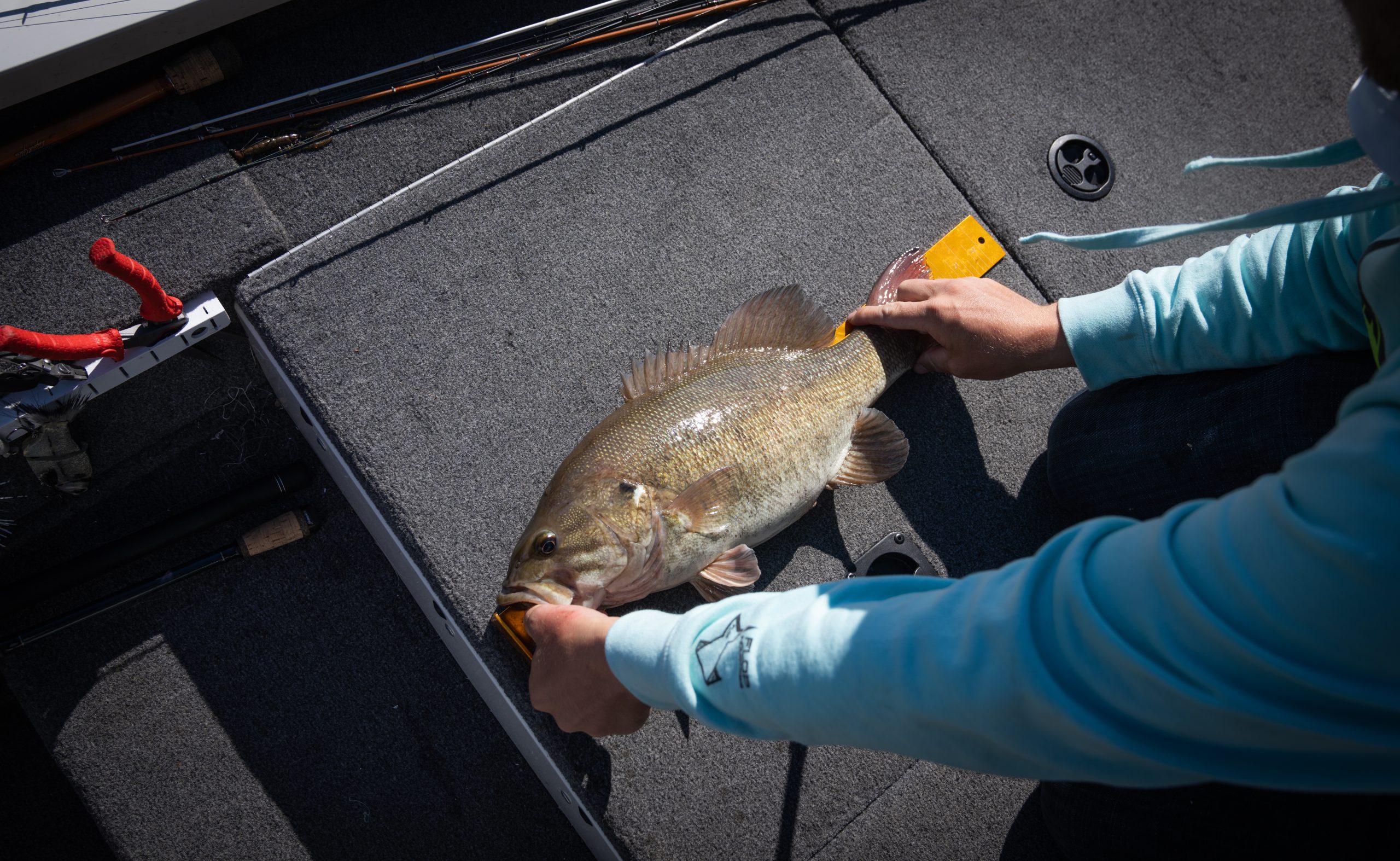
Smallmouth bass (Micropterus dolomieu) are a cherished species among anglers, known for their fighting spirit and the challenge they present on the water. Found in rivers and lakes across North America, these fish are not just popular for their sport fishing qualities but also play a crucial role in aquatic ecosystems. However, like many freshwater species, smallmouth bass face conservation challenges that threaten their populations and the health of their habitats. Understanding these challenges and the time it takes for smallmouth bass to reach a substantial size is essential for effective conservation efforts. Here’s a closer look at the conservation of smallmouth bass and insights into their growth rates.
1. The Importance of Smallmouth Bass
Smallmouth bass are vital to their ecosystems for several reasons:
- Predator Role: As predators, smallmouth bass help regulate the populations of smaller fish and aquatic insects, contributing to a balanced aquatic food web.
- Ecosystem Health: Healthy populations of smallmouth bass are indicative of good water quality and a well-functioning aquatic environment. Their presence and abundance can serve as a benchmark for ecosystem health.
- Economic and Recreational Value: Smallmouth bass fishing supports a significant recreational industry. Anglers value them for their challenging fights and the diverse environments in which they can be pursued.
2. Conservation Challenges
Despite their robust nature, smallmouth bass face several conservation challenges:
- Habitat Loss: Development, deforestation, and industrial activities can lead to habitat destruction. Riparian zones, which are crucial for smallmouth bass spawning and growth, are often compromised by human activities.
- Water Quality: Pollution, sedimentation, and runoff from agriculture can degrade water quality, affecting smallmouth bass health and spawning success. High levels of pollutants and changes in water temperature can impact their growth rates and reproductive success.
- Invasive Species: The introduction of non-native species can disrupt local ecosystems and compete with smallmouth bass for food and habitat. Invasive species can alter the balance of the aquatic community, making it more challenging for smallmouth bass to thrive.
- Overfishing: While smallmouth bass are resilient, overfishing can lead to declines in their populations. Sustainable fishing practices are essential to ensure that bass populations remain healthy and robust.
3. Growth Rates of Smallmouth Bass
Understanding how long it takes for smallmouth bass to grow to a significant size is crucial for effective management and conservation. Growth rates can vary based on factors like habitat quality, food availability, and water conditions. Here’s a general overview:
- Juvenile Growth: Smallmouth bass grow relatively quickly during their early years. They typically reach about 6-8 inches in length by their first year, depending on the availability of food and optimal environmental conditions.
- Substantial Size: To reach a size considered substantial for sport fishing—around 14-16 inches—smallmouth bass usually take 3 to 4 years. Growth rates can be influenced by factors such as water temperature, habitat quality, and prey abundance.
- Trophy Size: For smallmouth bass to reach “trophy” size—over 20 inches—they generally need 5 to 8 years. This extended period is due to the fish’s slower growth rate as they age and the increased energy required to attain such sizes.
4. Conservation Efforts and Strategies
To address the challenges faced by smallmouth bass and promote their conservation, several strategies are employed:
- Habitat Protection and Restoration: Protecting and restoring natural habitats, including riparian zones and aquatic vegetation, is crucial for sustaining healthy smallmouth bass populations. Efforts to reduce habitat destruction and improve water quality are essential.
- Sustainable Fishing Practices: Implementing and adhering to catch-and-release practices, especially for large or spawning fish, helps maintain population numbers. Anglers should follow local regulations and guidelines to ensure sustainable fishing.
- Monitoring and Research: Ongoing research and monitoring of smallmouth bass populations provide valuable data on their health, growth rates, and environmental impacts. This information is used to inform management decisions and conservation strategies.
- Public Education: Educating the public about the importance of smallmouth bass conservation and the impact of their activities on aquatic ecosystems helps foster a culture of stewardship and responsibility.
5. How You Can Help
As an angler or environmental enthusiast, there are several ways you can contribute to the conservation of smallmouth bass:
- Practice Catch and Release: Whenever possible, practice catch-and-release fishing to ensure that smallmouth bass can continue to thrive and reproduce.
- Support Conservation Organizations: Contribute to or volunteer with organizations dedicated to freshwater conservation and habitat restoration.
- Be Mindful of Pollution: Reduce your environmental footprint by properly disposing of waste and avoiding actions that could pollute waterways.
- Advocate for Sustainable Practices: Support and advocate for policies and regulations that protect aquatic habitats and promote sustainable fishing practices.
Conclusion
The conservation of smallmouth bass is vital for maintaining healthy aquatic ecosystems and ensuring that future generations can enjoy the thrill of fishing for this iconic species. By understanding the challenges they face and the time it takes for them to reach substantial sizes, we can better appreciate the need for concerted conservation efforts. Through habitat protection, sustainable practices, and public education, we can help secure a future where smallmouth bass continue to thrive in their natural environments. So, whether you’re casting a line or simply appreciating the beauty of our waterways, remember that every effort counts in preserving the legacy of the smallmouth bass.